Four-Part Play Series
(Click each image to reveal a more in depth description)
1. Akbar & His 9 Gems
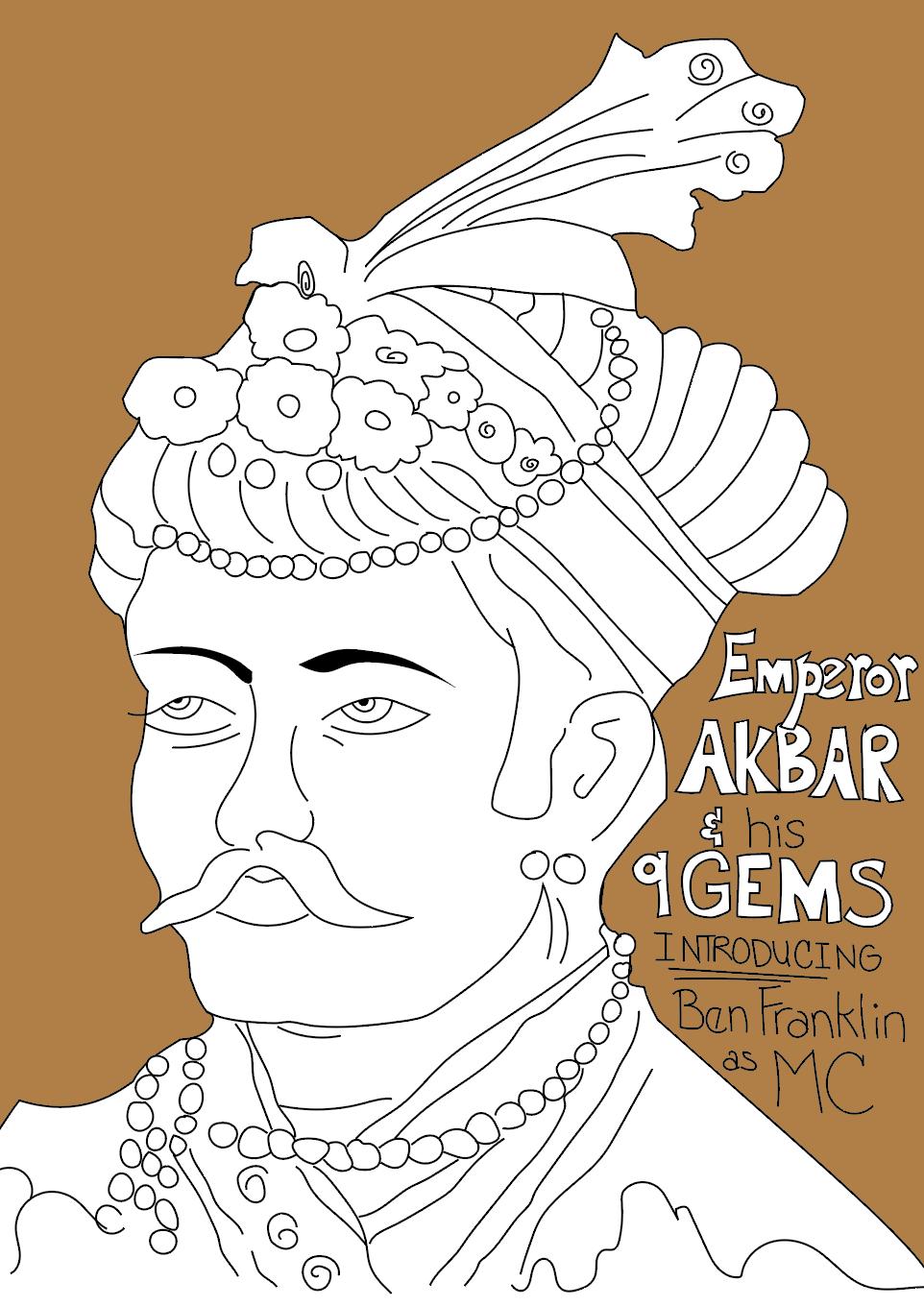
Theme:
Leadership through collaboration and cultural inclusion
Summary:
Students explore the life of Mughal Emperor Akbar and his council of “Nine Gems” — a powerful example of diversity, wisdom, and innovation in governance. The play celebrates patronage of the arts, cultural richness, and effective leadership, highlighting how talent and inclusivity foster peace and progress.
2. Okonjo-Iweala & Why the Sky Is Far Away
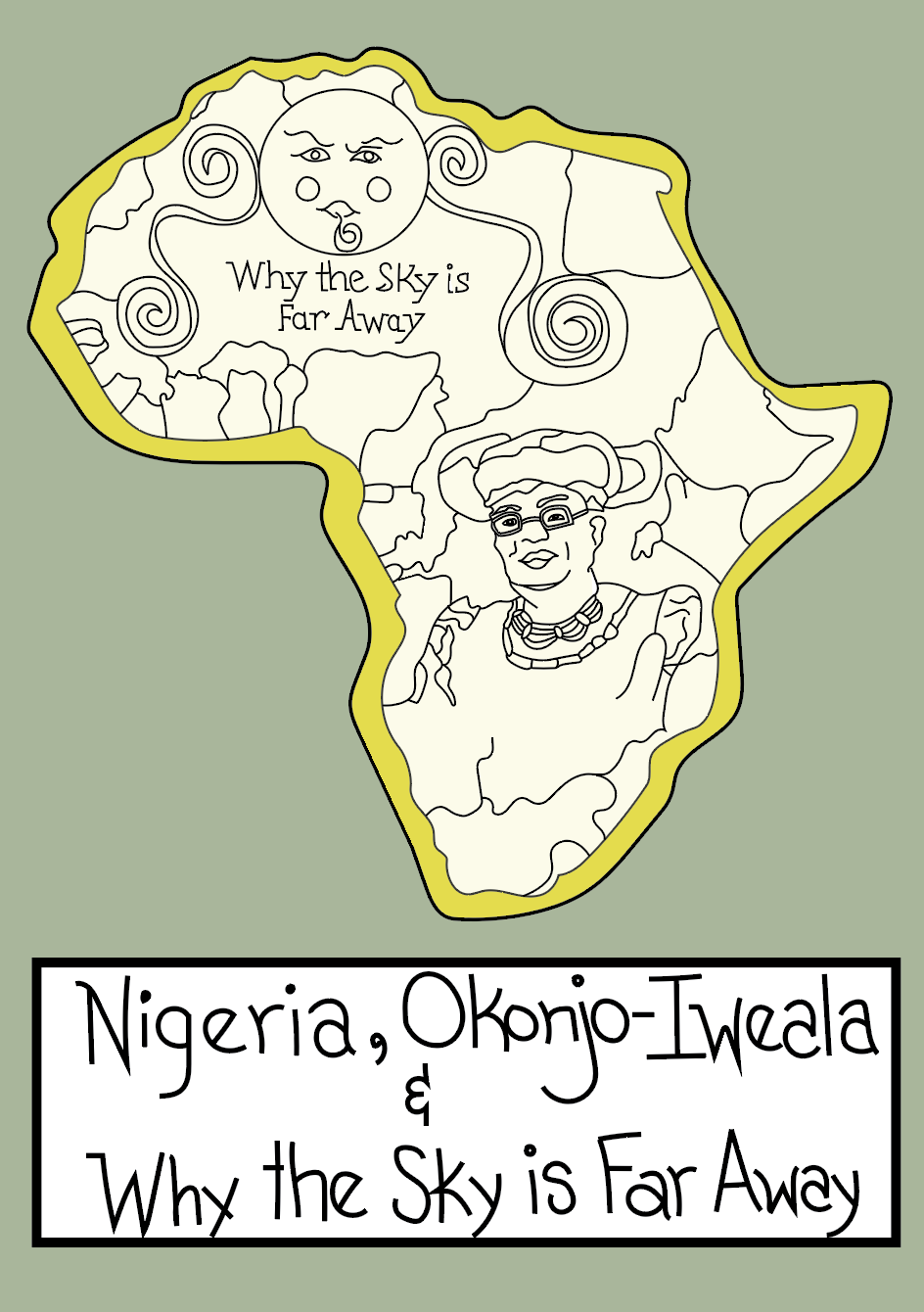
Theme:
Economic justice, accountability, and global responsibility
Summary:
This episode introduces Okonjo-Iweala, Nigeria’s reform-driven finance minister, who stood up to a corrupt regime and shifted her country toward fiscal transparency. Ben Franklin reflects on his own moral failings, inviting dialogue about slavery, privilege, and accountability in shaping national identities.
3. Tale of Two Marys: Wollstonecraft & Shelley
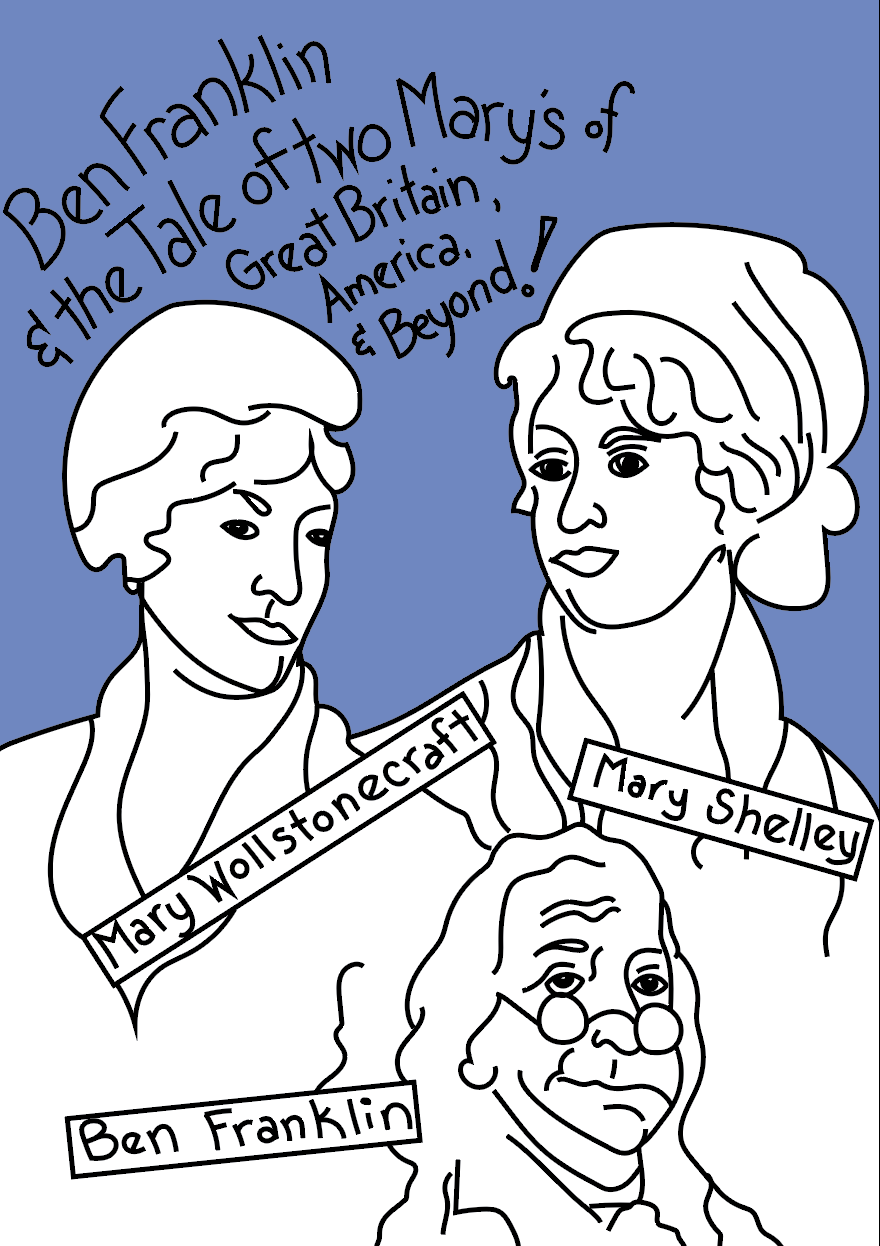
Theme:
Feminism, legacy, and intellectual rebellion
Summary:
This play follows Mary Wollstonecraft, early women’s rights advocate, and her daughter Mary Shelley, author of Frankenstein. Their interconnected stories raise questions about gender, power, creativity, and the influence of Enlightenment ideals — including those of Ben Franklin himself.
4. The Great Law of Peace & American Democracy
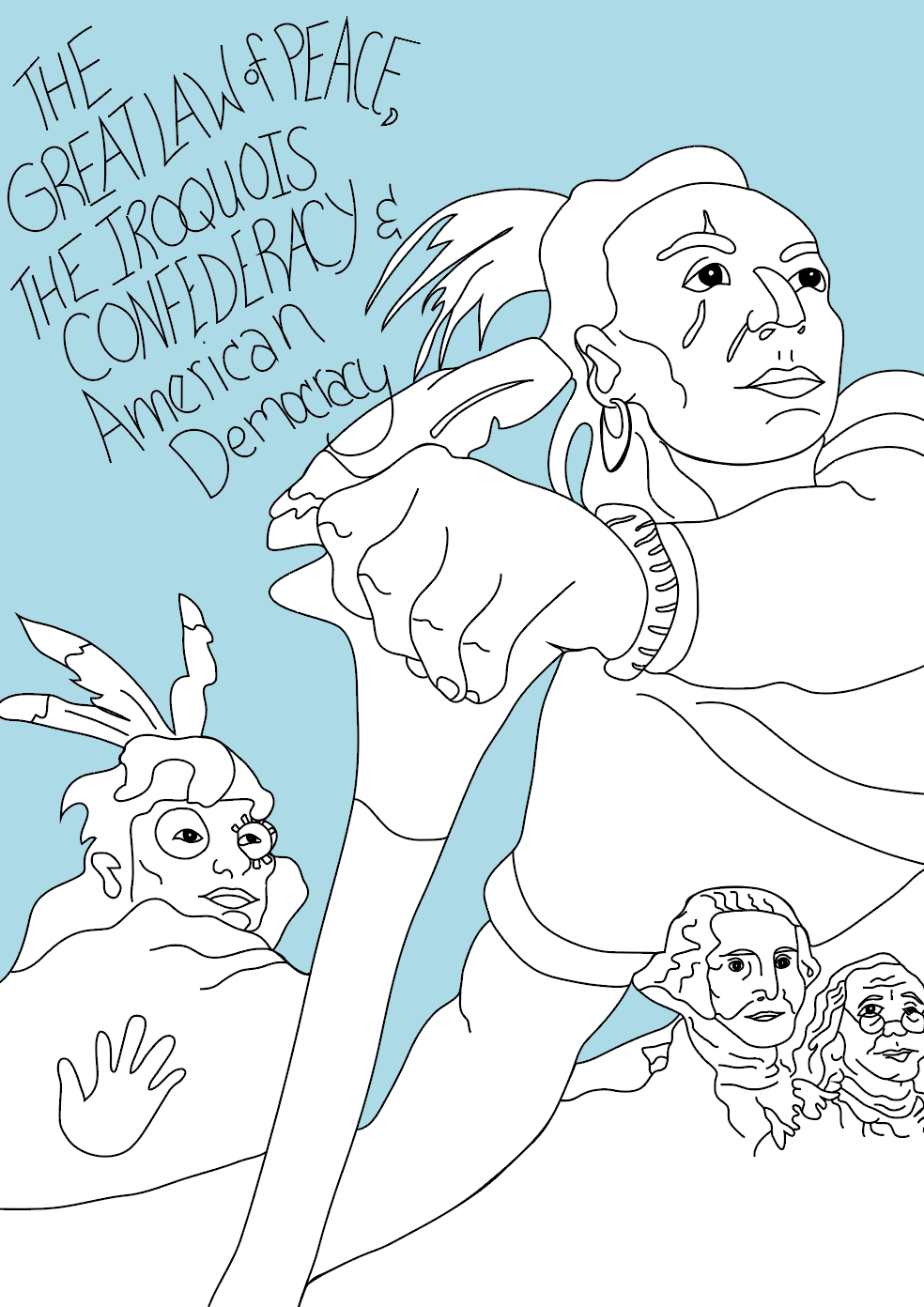
Theme:
Indigenous influence on democratic ideals
Summary:
In the final play, Ben Franklin explores how the Iroquois Confederacy and their Great Law of Peace inspired the formation of the U.S. Constitution. Students learn about reciprocal diplomacy, indigenous governance, and the often-overlooked foundations of American democracy.
First Play - Akbar & His 9 Gems
The Mughal Emperor Akbar (1543-1605) ascended to his role as Emperor at the age of 12 and eventually ended India’s monarchy. The Navratna of Akbar consisted of Abu’l-Fazl, Fazl, Birbal, Todar Mal, Raja Man Singh, Raja Birbal Das, Fakir Aziao-Din, Mullah Do Piyaza and Tansen. Akbar specifically chose these 9 men to play a part in his cabinet based on their exceptional talents, knowledge and expertise in their respective fields. In conclusion, the Nauratan reveals Akbar’s appreciation for talent, cultural diversity, and intellectual prowess. Akbar’s 9 gems highlight the effectiveness of Akbar’s administration’s patronage of the arts and literature which contributed to the prosperity, cultural richness and peace that his reign achieved.
Second Play - Nigeria, Okonjo Iweala & Why the Sky is Far Away
Okonjo Iweala, (1954-present) a Nigerian-American economist who served as Nigeria’s finance minister from (2003-2006) introduced reforms that reduced corruption and increased transparency in Nigeria’s public finances. Her miraculous achievement turned her country around economically during a tyrannical corrupt government regime which was crushing the people of Nigeria and putting them in crippling debt. This 2nd installment of the four part play series gives Ben Franklin (as narrator) a moment to take accountability on America’s history of slavery during his lifetime.
Third Play - Tale of Two Marys of Great Britain, America & Beyond
Mary Wollstoncraft, a writer living in England from (1759 – 1797) was a woman’s rights advocate and wife to a highly regarded philosopher of the Enlightenment period, William Godwell. Their daughter Mary Shelly, (1797 -1851). won acclaim for her writing of Frankenstein, a story Ben Franklin was thought to have influenced. WIlliam Godwin was as well influenced by Franklin’s ideas and used Franklin’s conjecture that “mind would one day become omnipotent over matter” as a motto. Mary Wollstone Craft fought to liberate women from a tyrannical point of view of toxic masculinity by speaking truth to power. Today, Craft is considered to be the first feminist.
Fourth Play - The Great Law of Peace, The Iroquois Confederacy & American Democracy:
Ben Franklin, (1706-1790) takes a more central role in the fourth and final installment of the four part play series. During the fundamental years of the American revolution, before arms were taken up against the British Monarchy to establish a new and independent nation, Ben Franklin was in constant contact with the Iroquois. From his direct experience in trading, negotiating and building alliances, Ben grew to greatly respect and admire the Iroquois Confederacy and their true working democracy, the ‘Great Law of Peace’. In 1988 the U.S. Congress passed Concurrent Resolution 331 to acknowledge the influence of the Iroquois Confederacy’s Great Law of Peace on the development of the United States Constitution and Bill of Rights. The resolution was passed on the 200th anniversary of the signing of the Constitution.